

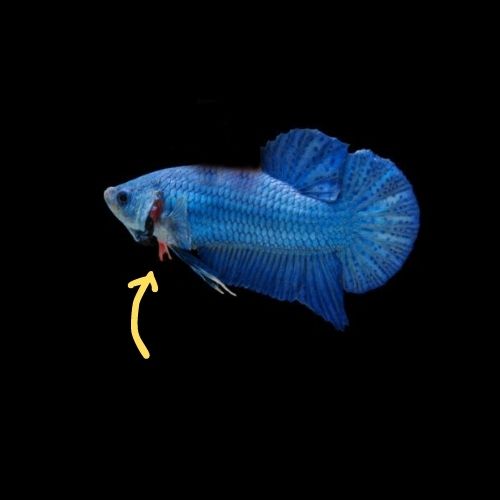
Camallanus worms are internal parasites that can affect betta fish. Treating Camallanus worms requires a combination of addressing the infected fish and the aquarium environment. Here’s some general information on how Camallanus worms are treated betta fish:
- Check Water Parameters:
- Test the water parameters (ammonia, nitrite, nitrate, and pH) in the main tank and/or quarantine tank. Poor water quality can stress the fish and exacerbate fin rot. Perform a partial water change if necessary to improve water conditions.
- Maintain Water Quality:
- Ensure the water in the quarantine tank is clean and free from any harmful substances. Perform regular partial water changes as needed to ensure the parameters are in check.
- Maintain optimal water temperature:
- Bettas are tropical fish and require a water temperature between 78°F to 80°F (25°C to 27°C). When changing water ensure the new water is the same temperature to avoid shock. Use a reliable aquarium heater and thermometer to maintain a stable temperature in the tank.
- Isolate the Infected Fish: If you have multiple fish in the same tank, move the infected betta to a separate quarantine tank. This prevents the spread of the parasites to other fish.
As an Amazon Associate, I earn from qualifying purchases.
- Common Medications used: There are medications available that are specifically designed to treat internal parasites like Camallanus worms. Look for medications containing active ingredients like Levamisole or Praziquantel. Follow the manufacturer’s instructions for dosage and treatment duration.


- Fasting: It’s often recommended to withhold food from the infected fish for a day or two before starting the medication. This can help ensure the fish’s digestive tract is as empty as possible, which can enhance the effectiveness of the treatment.
- Administer Medication: Depending on the type of medication you’re using, it may need to be mixed with the fish’s food, added to the water, or given as a direct oral dose. Follow the instructions carefully to ensure the correct administration.
- Quarantine and Observation: Keep the infected betta in quarantine during the treatment period. Observe the fish closely for any signs of improvement or worsening of symptoms.
- Water Changes: Regular water changes in the quarantine tank are important to maintain good water quality. Frequent water changes can help remove any expelled worms or eggs from the tank.
- Repeat Treatment: In some cases, a follow-up treatment may be necessary to ensure that all stages of the parasites are effectively eliminated.
- Hygiene and Prevention: After the treatment is complete, disinfect any equipment that was in contact with the infected fish or quarantine tank. Maintain good aquarium hygiene, and consider quarantining new fish before introducing them to your main tank to prevent future infections.
- Consider Veterinary Consultation: If you’re unsure about the treatment or your betta’s condition, it’s advisable to consult with a veterinarian experienced in fish health. They can provide expert advice tailored to your specific situation.
It’s important to note that treating internal parasites can be challenging, and success may vary based on the severity of the infestation and the overall health of the fish. Early detection and treatment are key to improving the chances of a successful recovery for your betta.
 Betta Universe
Leave a comment