

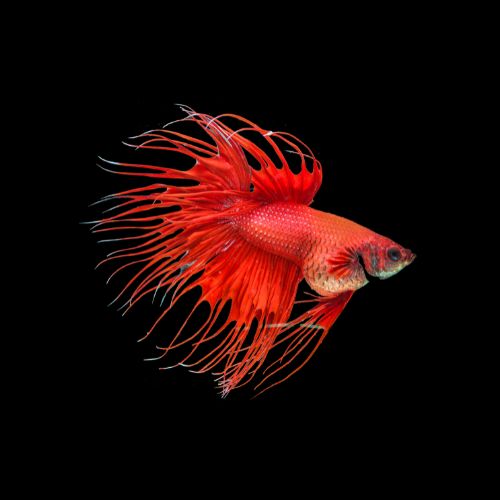
Constipation and bloating in Betta fish can be uncomfortable and potentially harmful to their health. If you notice your Betta fish showing signs of constipation or bloating, here is some general information on how it is often treated to help alleviate the issue:
(Click here) to see swim bladder disorder if suspected:
- Check Water Parameters:
- Test the water parameters (ammonia, nitrite, nitrate, and pH) in the main tank and/or quarantine tank. Poor water quality can stress the fish and exacerbate fin rot. Perform a partial water change if necessary to improve water conditions.
- Maintain Water Quality:
- Ensure the water in the quarantine tank is clean and free from any harmful substances. Perform regular partial water changes as needed to ensure the parameters are in check.
- Maintain optimal water temperature:
- Bettas are tropical fish and require a water temperature between 78°F to 80°F (25°C to 27°C). When changing water ensure the new water is the same temperature to avoid shock. Use a reliable aquarium heater and thermometer to maintain a stable temperature in the tank.
- Dietary Adjustments:
- Assess your Betta fish’s diet. Make sure you are providing a balanced and appropriate diet.
- Avoid overfeeding, as this can lead to constipation. Betta fish have small stomachs and can easily become bloated if they eat too much.
- Fasting:
- If your Betta fish is constipated or bloated, consider fasting them for 24 to 48 hours. This gives their digestive system time to clear and reduces the risk of further bloating.
- Pea Treatment (Optional):
- Some fish keepers use a pea treatment as a natural remedy for constipation. Boil a frozen pea until soft, remove the skin, and then offer a small portion to the Betta fish. The fiber in the pea may help with digestion.
- However, not all Bettas tolerate peas well, so this method is optional and not suitable for all fish.
- feed after betta has fasted.
As an Amazon Associate, I earn from qualifying purchases.
- Freeze dried daphnia (Optional):
- Some fish keepers use freeze dried daphnia instead of the above pea treatment.
- Daphnia provides nutrition and fiber to help with constipation issues.
- Most betta’s love to eat daphnia.
- Soak a few minutes before feeding.
- feed after betta has fasted.


- Epsom Salt Bath (Optional):
- As a last resort and only if the Betta is severely bloated, you can try an Epsom salt bath. Prepare a separate container with water treated with Epsom salt (1 teaspoon per gallon) at the same temperature as the main tank. Be sure that it is pure 100% Epsom salt with no additives.
- Place the Betta fish in the Epsom salt bath for about 10-15 minutes. The Epsom salt may help reduce swelling and bloating.
- After the bath, return the Betta to its main tank with clean, treated water.
- Water Level:
- Lower the water level in the tank or provide floating plants or objects near the water’s surface. This helps the fish reach the surface more easily for air if it is having trouble reaching the surface.
- Use a breeder box so the fish can reach the surface easily.


- Common medications used:
- If the treatment has not worked, it might not be an intestinal issue and could be, for example a parasite or internal bacterial infection. below are common medications used are API general cure and fritz expel-p.


- Monitor Behavior:
- Keep a close eye on your Betta’s behavior and look for any signs of improvement or worsening. If the condition does not improve or worsens, consult a qualified veterinarian experienced in fish health.
- Prevention:
- To prevent constipation and bloating in the future, feed your Betta a varied and balanced diet. Consider offering a mix of high-quality pellets, frozen or live foods, and occasional treats like bloodworms or brine shrimp.
- Also, avoid overfeeding and remove any uneaten food from the tank to maintain good water quality.
It’s important to note that constipation and bloating can be symptoms of other underlying health issues, so if your Betta’s condition does not improve with the suggested remedies or if you notice other concerning symptoms, seeking professional advice from a fish veterinarian is advisable. Prompt attention and appropriate care are essential to ensuring the well-being of your Betta fish
 Betta Universe
Leave a comment