

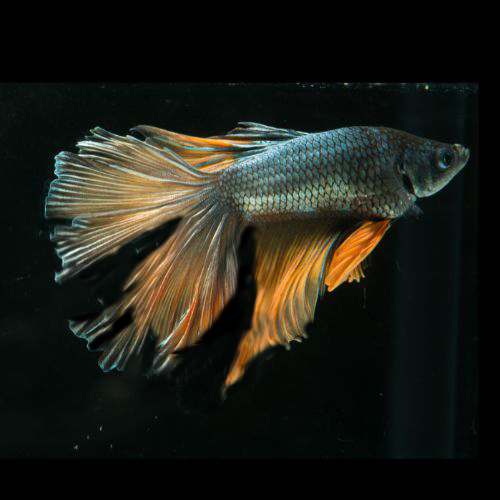
Fin rot is a bacterial infection that can affect Betta fish, leading to the deterioration of their fins and tail. If left untreated, fin rot can progress and cause severe damage to the fish’s fins and overall health. Fin rot can mean that there is something else that is going on for example another illness, or stress. Below is some general information on how fin rot is often treated.
- Check Water Parameters:
- Test the water parameters (ammonia, nitrite, nitrate, and pH) in the main tank and/or quarantine tank. Poor water quality can stress the fish and exacerbate fin rot. Perform a partial water change if necessary to improve water conditions.
- Maintain Good Water Quality:
- Change the water.
- Regular water changes and proper tank maintenance are essential to support the fish’s recovery. For the quarantine tank, perform daily partial water changes of about 25-30% during treatment.
- Maintain optimal temperature:
- Bettas are tropical fish and require a water temperature between 78°F to 80°F (25°C to 27°C). When changing water ensure the new water is the same temperature to avoid shock. Use a reliable aquarium heater and thermometer to maintain a stable temperature in the tank.
- Quarantine Tank (Optional):
- Isolate the affected Betta fish to prevent the spread of the infection to other tank mates.
- Remove Sharp Decorations (If Any):
- If there are any sharp decorations in the tank that might have caused the fin damage or could further injure the Betta’s fins, remove them until the fish has healed.
- Maintain a low stress environment:
- Ensure that the Betta’s environment is calm and stress-free.
As an Amazon Associate, I earn from qualifying purchases.
- Use Aquarium Salt (Optional):
- Some aquarists add aquarium salt to the tank at a concentration of 1 tablespoon per 5 gallons of water. This can help improve the osmotic balance of the fish and reduce stress.
- Common Medications used:
- Treat the Betta fish with a reputable antibiotic specifically designed for fin rot. Look for medications that contain active ingredients like kanamycin, erythromycin, minocycline, or tetracycline. Follow the manufacturer’s instructions for dosage and application.


- Observe and Continue Treatment:
- Monitor the Betta fish closely during the treatment period. Fin rot should start to improve within a few days of starting the medication.
- Continue the treatment for the full recommended duration, even if the fins show signs of improvement, to ensure complete eradication of the bacterial infection.
- Determine what could have caused the fin rot, for example it could be case by stress or another illness.
- Maintain Good Nutrition:
- Offer your Betta fish a balanced diet with high-quality pellets or flakes. Good nutrition is essential for the fish to recover and maintain a healthy immune system.
- Watch for Stress and Observe Recovery:
- Ensure that the Betta’s environment is calm and stress-free to support its healing process.
- As the fins heal, your Betta should show improvement in behavior and activity.
- Gradual Return to Normal Conditions:
- After the treatment period is over, gradually acclimate the fish back to its original tank (if it was isolated) and reintroduce it to the main tank.
Remember to follow all medication instructions carefully and consult a qualified veterinarian if the condition does not improve or worsens despite proper treatment. Early detection and intervention are crucial for successful fin rot treatment and ensuring the well-being of your Betta fish.
 Betta Universe
Leave a comment