

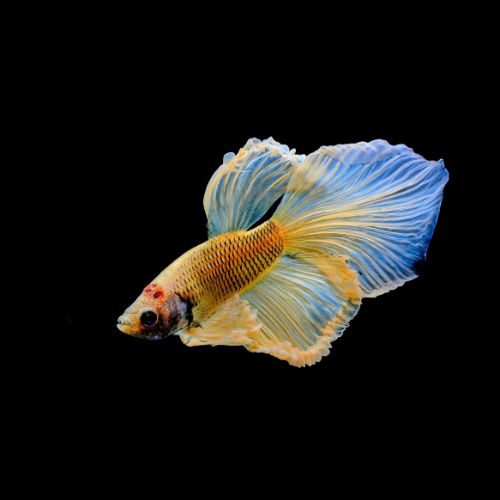
Hexamita, also known as “hole-in-the-head disease” or “head and lateral line erosion,” is caused by the protozoan parasite Spironucleus. Treating Hexamita in betta fish involves a combination of addressing the underlying causes, improving the fish’s environment, and administering appropriate medication. Here is some general information on how it is treated:
- Check Water Parameters:
- Test the water parameters (ammonia, nitrite, nitrate, and pH) in the main tank and/or quarantine tank. Poor water quality can stress the fish and exacerbate fin rot. Perform a partial water change if necessary to improve water conditions.
- Maintain Water Quality:
- Ensure the water in the quarantine tank is clean and free from any harmful substances. Perform regular partial water changes as needed to ensure the parameters are in check.
- Maintain optimal water temperature:
- Bettas are tropical fish and require a water temperature between 78°F to 80°F (25°C to 27°C). When changing water ensure the new water is the same temperature to avoid shock. Use a reliable aquarium heater and thermometer to maintain a stable temperature in the tank.
- Improve Water Quality: Hexamita infections are often associated with poor water quality. Maintain a clean and well-maintained aquarium with proper filtration and regular water changes. Aim for stable water parameters to reduce stress on the fish.
- Isolate the Infected Fish: If you have multiple fish in the same tank, move the infected betta to a separate quarantine tank. This prevents the potential spread of the disease to other fish.
- Quarantine (Optional) : If possible keep the infected betta in quarantine during treatment and observe its condition closely. If you notice any improvement or worsening of symptoms, adjust the treatment as needed.
- Maintain a Balanced Diet: Feed your betta a high-quality and varied diet to boost its immune system. Consider providing foods with added vitamins and nutrients to support the fish’s health.
As an Amazon Associate, I earn from qualifying purchases.
- Common Medication used: There are medications available that target protozoan infections like Hexamita. Metronidazole is commonly used to treat these infections. It’s available in various forms, such as medicated food, water additives, or direct application. Follow the manufacturer’s instructions for dosage and treatment duration.


- Reduce Stress: Stress can weaken the fish’s immune system and worsen the infection. Ensure that the quarantine tank has hiding spots and subdued lighting to help the betta feel more secure.
- Maintain Preventive Measures: Once the betta has recovered, continue to maintain good aquarium hygiene, provide a balanced diet, and monitor water quality to prevent future infections.
Remember that treating Hexamita can be challenging, and the success of treatment may vary depending on the severity of the infection and the overall health of the fish. If you’re uncertain about the diagnosis or treatment, consult with a veterinarian experienced in fish health. They can provide tailored advice and guidance to help your betta recover successfully.
 Betta Universe
Leave a comment