

Some of the common parasites that can affect betta fish include:
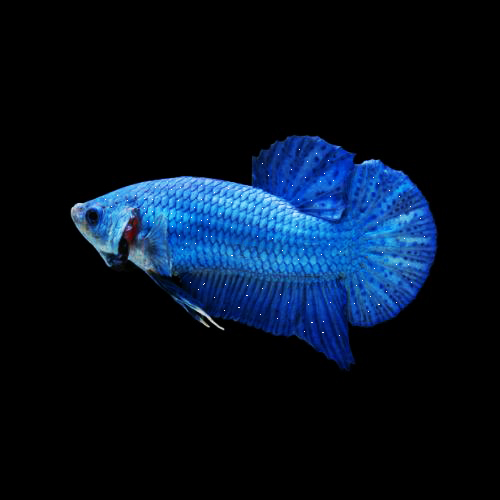
- Ich (Ichthyophthirius multifiliis): Also known as “white spot disease,” ich is a common parasitic infection in freshwater fish, including bettas. It appears as small white spots resembling grains of salt on the fish’s body and fins. This one is also featured on another page, click here to view.
- Velvet Disease (Oodinium): This parasite causes a gold or rust-colored dust-like appearance on the fish’s body. Infected bettas may exhibit lethargy, loss of appetite, and difficulty breathing. This one is also featured on another page, click here to view.
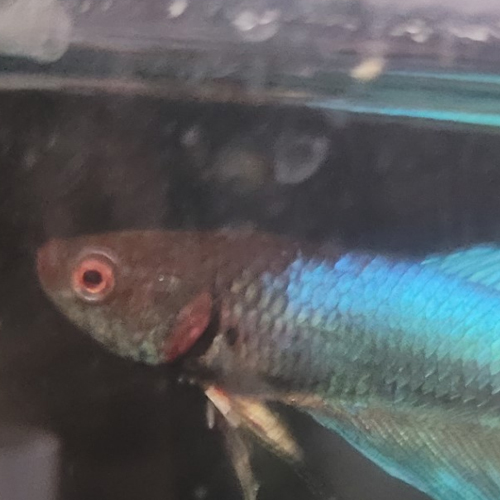
- Gill Flukes: These parasites infect the gills of fish, causing respiratory problems and stress. Infected fish may gasp for air at the water’s surface. This one is also featured on another page, click here to view.

- Anchor Worms (Lernaea): Anchor worms are visible parasites that look like tiny worms embedded in the fish’s skin. They can cause irritation, inflammation, and open wounds. This one is also featured on another page, click here to view.
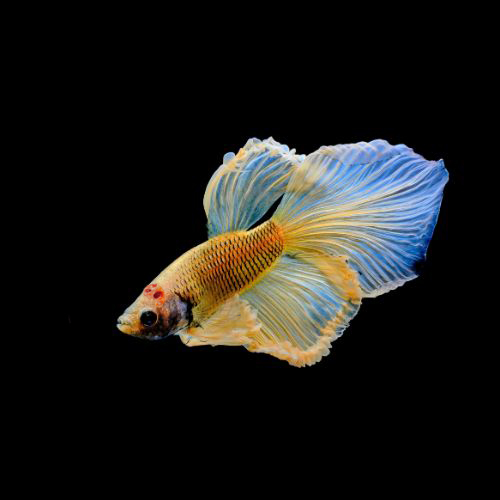
- Hexamita (Spironucleus): This is a protozoan parasite that can lead to a condition known as “hole-in-the-head disease” or “head and lateral line erosion.” Infected fish may develop pitted lesions on their head and body. This one is also featured on another page, click here to view.
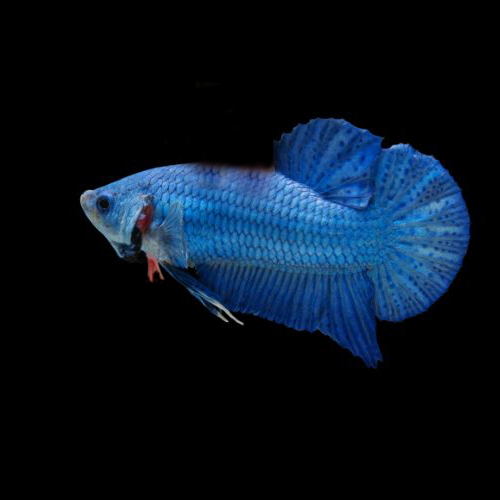
- Camallanus Worms: These are internal parasites that can be identified by their red, thread-like appearance protruding from the fish’s anus. They can cause digestive issues and lead to weight loss. This one is also featured on another page, click here to view.
Below are some key points and general information to consider when treating a parasite.
As an Amazon Associate, I earn from qualifying purchases.
- Maintain Excellent Water Quality:
- Clean water is crucial for the fish’s recovery. Perform water changes as needed according to the water test or the directions of the product or treatment being used. Test the water daily to maintain proper water parameters. Use an accurate test kit for example api master fresh water test kit. Use a water treatment and beneficial bacteria. For example some commonly used ones are Seachem prime and Seachem stability.


- Maintain optimal water temperature:
- Bettas are tropical fish and require a water temperature between 78°F to 80°F (25°C to 27°C).
- Limit stress: Ensure a low stress environment. Identify anything that may be causing stress. Keep a close eye on your Betta’s behavior and appetite. Stress can weaken their immune system, making them susceptible to other infections. Make sure there are places to hide and rest. Consider adding indian almond leaves. Indian almond leaves, also known as Catappa or Ketapang leaves, are favored in betta fish tanks due to their beneficial properties. When submerged, they release tannins that mimic the natural habitat of bettas, promoting a slightly acidic and soft water environment that reduces stress and supports overall health. These leaves possess antibacterial and antifungal qualities, curbing disease risks. Moreover, they offer hiding spots, reducing stress, aiding in breeding, and adding an appealing natural look to aquariums. While effects can vary, many enthusiasts find Indian almond leaves to be a valuable addition to betta tanks. You may also consider adding a product like Seachem Stress Guard, that promotes slime coat, reduces stress and prevents infections.
- Isolate the Betta (Optional):
- If needed use a separate quarantine tank, isolate the affected Betta fish to prevent the spread of the infection to other tank mates. Whatever is used, the display tank or quarantine tank, it is important to have a water treatment and beneficial bacteria to add to the either tank, especially when using treatments or medications. Test the water daily or more. Use an accurate water tester, such as Api master freshwater test kit.
- Increase the oxygen: Consider adding an air stone with a gang line to adjust the bubbles. Or a sponge filter. Surface agitation creates more oxygen. Anything added to the water especially medications reduce oxygen. Consider using a breading box if the betta is having trouble coming up for air.


- Remove any carbon: Remove any carbon while medicating as it will remove medications. Replace the carbon when done with the treatment, follow the manufacturer’s directions.
- Remove Organic Debris:
- Remove any organic debris, uneaten food, and dead plant matter from the tank. A clean environment can support the fish’s healing process.
- Monitor Behavior and Symptoms:
- Observe your Betta’s behavior and look for any specific symptoms or changes in its appearance. Note any improvement or worsening of the parasitic infection. If the betta is not tolerating the treatment or medication, perform a water change and add carbon to remove the medication or treatment.
- Consult a Veterinarian:
- If the Betta’s condition worsens, or if you are unsure about the diagnosis or treatment, it’s crucial to consult a qualified veterinarian experienced in fish health.
- A veterinarian can confirm the diagnosis and provide appropriate treatment options.
Remember that different parasites require different treatments, and using the wrong medication may be ineffective or harmful to the fish. If you are unsure about how to proceed with the treatment or if your fish’s condition worsens, seek professional veterinary advice. Prompt and accurate treatment is essential for successfully treating parasitic infections in Betta fish.
 Betta Universe
Leave a comment