

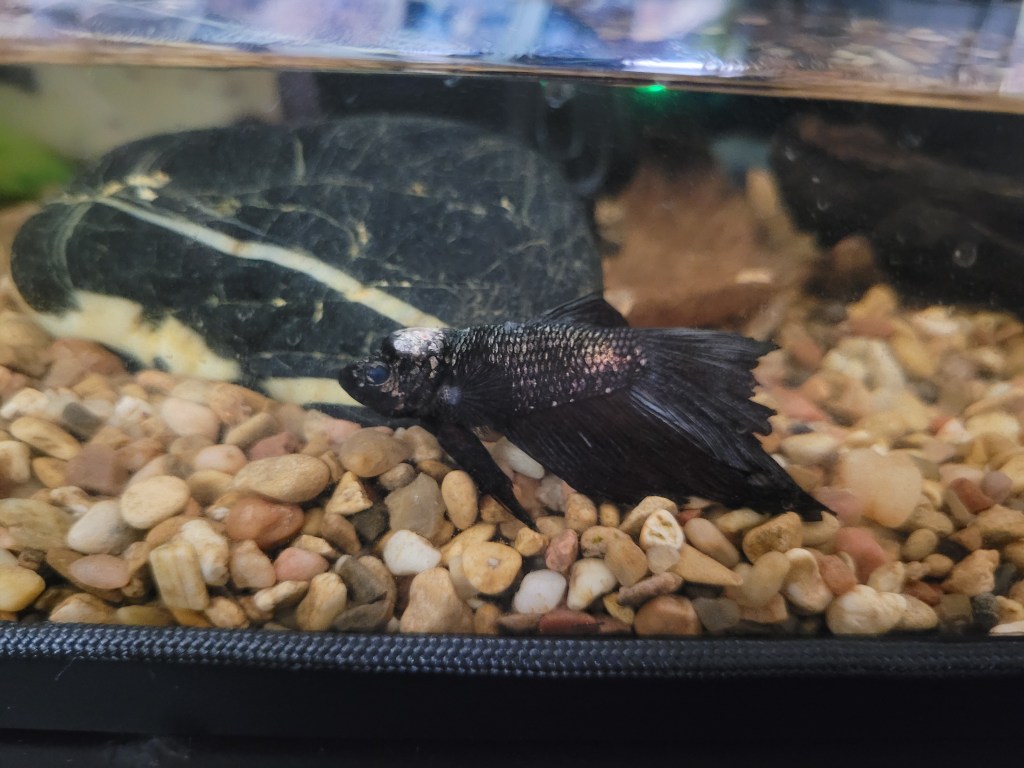
Treating tumors and growths on a Betta fish can be challenging, as they may be caused by various factors, including genetics, age, environmental conditions, or underlying health issues. It’s important to note that not all growths are treatable, and some may be benign or even part of the fish’s natural development. However, if you notice tumors or growths on your Betta fish, here is some general information on how it is commonly treated:
- Maintain Water Quality:
- Ensure the water in the quarantine tank is clean and free from any harmful substances. Perform regular partial water changes as needed to ensure the parameters are in check.
- Check Water Parameters:
- Test the water parameters (ammonia, nitrite, nitrate, and pH) in the main tank and/or quarantine tank. Poor water quality can stress the fish and exacerbate fin rot. Perform a partial water change if necessary to improve water conditions. If an abscess is suspected, check water frequently, daily if possible. If an abscess ruptures, or breaks open, it can affect the water parameters.
- Supportive Care:
- Keep the Betta’s environment calm and stress-free. Provide hiding spots, dim lighting, and maintain the water temperature within the recommended range (78-80°F or 25-27°C).
As an Amazon Associate, I earn from qualifying purchases.
- Add Indian almond leaves:
- Indian almond leaves, also known as Catappa or Ketapang leaves, are favored in betta fish tanks due to their beneficial properties. When submerged, they release tannins that mimic the natural habitat of bettas, promoting a slightly acidic and soft water environment that reduces stress and supports overall health. These leaves possess antibacterial and antifungal qualities, curbing disease risks. Moreover, they offer hiding spots, reducing stress, aiding in breeding, and adding an appealing natural look to aquariums. While effects can vary, many enthusiasts find Indian almond leaves to be a valuable addition to betta tanks.


- Ensure Betta has a low stress environment:
- To ensure a low-stress environment for your betta fish, prioritize a spacious tank with stable water quality and temperature (78-80°F). Choose suitable tank mates, incorporate hiding places like plants and decorations, and maintain a consistent feeding and maintenance routine. Opt for dimmed lighting, avoid strong water currents and noisy areas, and gradually acclimate your betta to changes. Indian almond leaves can also be added for their stress-reducing properties. Regular observation will help you detect signs of stress, allowing you to address any issues promptly and enhance the overall well-being of your betta. You may also consider adding a product like Seachem Stress Guard, that promotes slime coat, reduces stress and prevents infections.


- Isolate the Betta (Optional):
- If you have a separate quarantine tank, isolate the affected Betta fish to monitor its condition and prevent the potential spread of any contagious issues to other tank mates.
- Provide a Balanced Diet:
- Offer your Betta fish a varied and balanced diet of high-quality pellets, flakes, and occasional treats like frozen or live foods. Good nutrition supports the fish’s immune system and overall health.
- Observe the Growth:
- Monitor the size, color, and appearance of the growth over time. Note any changes or developments, such as growth rate or potential ulcerations.
- Consult a Veterinarian:
- If the growth is causing distress to the fish, rapidly growing, or showing signs of infection, it’s crucial to consult a qualified veterinarian experienced in fish health.
- A veterinarian can conduct a proper examination, identify the nature of the growth, and provide appropriate treatment options or recommendations.
- Avoid Self-Removal:
- Attempting to remove the growth yourself can cause additional stress and injury to the fish, potentially leading to infections or other complications. Leave any surgical procedures to a qualified veterinarian.
It’s important to note that not all growths can be treated, and some may not pose a threat to the fish’s overall health and quality of life. If the growth is benign and not causing any harm to the Betta, it may be best to monitor the fish’s condition and focus on maintaining excellent water quality and good care.
Always remember that seeking professional veterinary advice is essential if you have concerns about your Betta fish’s health or if you’re unsure about the nature of the growth. A veterinarian can provide accurate diagnosis and guidance on the best course of action for your fish’s specific situation.
 Betta Universe
Leave a comment